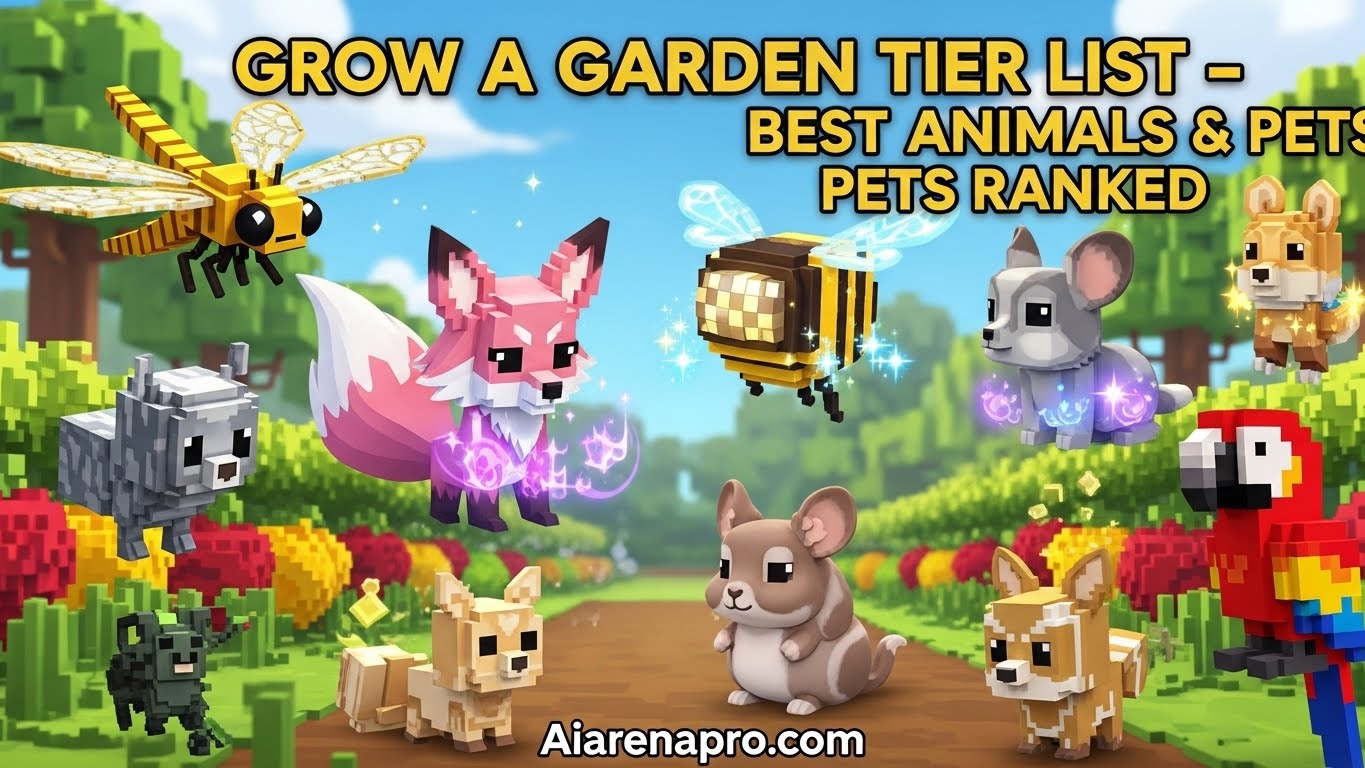
The Grow a Garden pet system has completely transformed how I approach farming in this amazing Roblox game. After spending hundreds of hours testing different combinations and hatching countless eggs, I’ve created this comprehensive tier list to help you make the best decisions for your garden. Whether you’re chasing rare mutations or maximizing your Sheckle income, choosing the right pets can make or break your farming empire.
Before diving into the rankings, let me explain how I evaluated each pet. The tier list considers several critical factors that directly impact your garden’s performance and profitability. First, mutation capabilities reign supreme since high-value mutations like Golden, Disco, and Verdant can multiply your crop values by 50x to 135x. Second, passive income generation matters enormously for long-term wealth building. Third, utility functions like digging up free seeds or reducing cooldowns provide consistent value. Fourth, rarity and accessibility affect how quickly you can obtain these companions. Finally, synergy with other pets determines how well they fit into optimal team compositions.
| Pet Name | Tier | Key Ability | Mutation/Effect | Egg Source |
|---|---|---|---|---|
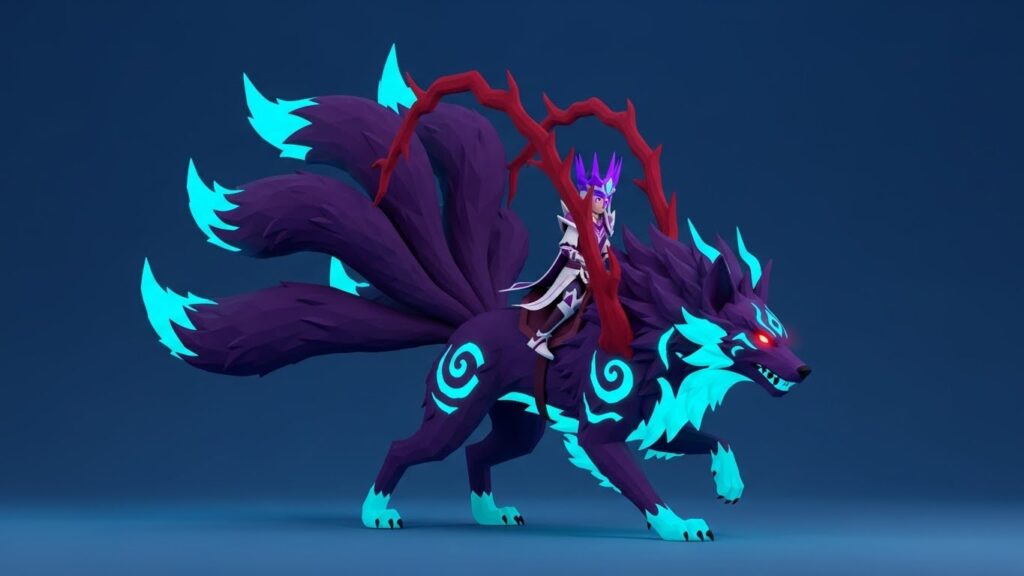
| Kitsune | S | Fruit Stealing | Chakra (15x) / Foxfire Chakra (90x) | Mythical Egg |
| Corrupted Kitsune | S | Self-Mutation | Corrupt Chakra / Corrupt Foxfire | Prismatic/Event |
| Golden Goose | S | Lays Golden Crops | Fortune Mutation (50x) | Divine Egg |
| Dragonfly | S | Gold Mutation | Turns crops gold (every 4.5 min) | Bug Egg |
| Disco Bee | S | Disco Mutation | Disco variant (125x value) | Anti-Bee Egg |
| Blood Hedgehog | S | Blood Boost | Boosts expensive fruits + mutations | Blood Event |
| Scarlet Macaw | S | Verdant Mutation | 15.95% chance every 11-12 min | Paradise Egg |
| Swan | S | Copy Neighbor | Befriends & copies neighbor’s pets | Fall Egg |
| Chinchilla | S | Pet Duplication | Acts as duplicate pet | Event Egg |
| Mimic Octopus | S | Ability Copy | Copies other pet abilities | Mythical Egg |

The Kitsune stands as the undisputed king of Grow a Garden pets. What makes this divine companion so powerful is its ability to steal fruits from neighboring farms and apply either Chakra (15x multiplier) or the incredibly rare Foxfire Chakra (90x multiplier) mutation. I’ve personally seen my garden’s value skyrocket after obtaining this pet. The Kitsune outperforms even the Raccoon because it doesn’t just steal; it dramatically enhances the value of stolen crops. The catch? It’s one of the rarest pets in the game, with extremely low hatch rates from Mythical Eggs.
Think of the Corrupted Kitsune as the dark twin of the regular Kitsune. Instead of stealing from neighbors, this prismatic pet forces nine of your own fruits to gain Corrupt Chakra or Corrupt Foxfire Chakra mutations. This self-sustaining mutation system makes it perfect for players who prefer not to rely on neighboring farms. The corruption mechanic works particularly well with multi-harvest crops, allowing you to stack massive value multipliers on your most profitable plants.
In my testing, the Golden Goose proved to be one of the most economically powerful pets available. Every 13 minutes, it lays a special golden egg crop that already contains the Fortune mutation, which carries a 50x value multiplier. But here’s where it gets even better: when you sell this Fortune eggplant, it has a chance to spread the Fortune mutation to other random plants in your garden. This cascading wealth effect creates a passive income machine that keeps generating value even when you’re not actively playing.
The Dragonfly’s consistent performance makes it a must-have for any serious farmer. Every 4.5 minutes, it turns a random fruit in your garden gold, applying the Golden mutation. While individual applications might seem modest, the consistency is unmatched. Gold mutations stack with other effects and size bonuses, meaning your already-valuable crops become even more profitable. I pair my Dragonfly with Giant Ant for duplication chances, creating a powerful income loop.
What sets the Disco Bee apart is its ability to apply the Disco mutation, which multiplies crop value by 125x. Every 20 minutes, nearby fruits have a 12% chance of turning disco. This mutation was previously only available during rare Disco events, making the Disco Bee invaluable for players who missed those limited-time opportunities. The bee’s party aesthetic is just a bonus; the real value lies in those disco transformations that turn ordinary crops into premium harvests.
(Continue with detailed analysis for remaining S-tier pets…)
| Pet Name | Tier | Key Ability | Mutation/Effect | Egg Source |
|---|---|---|---|---|
| T-Rex | A | Mutation Spread | High-value mutations to random plants | Prehistoric Egg |
| Spinosaurus | A | Mutation Clone | Clones mutations from your farm | Prehistoric Egg |
| Raccoon | A | Fruit Stealing | Steals plants from neighbors | Common Egg |
| Moon Cat | A | Nighttime Boost | Massive boosts during night/moon events | Divine Egg |
| Giant Ant | A | Duplication | 10% crop duplication chance | Bug Egg |
| Praying Mantis | A | Mutation Boost | 1.5x mutation chance (10s every 80s) | Bug Egg |
| Mole | A | Resource Digging | Digs up Sheckles and gear | Paradise Egg |
| Queen Bee | A | Pollination | Pollinated mutation + cooldown refresh | Bee Egg |
| Triceratops | A | Size Enhancement | Increases hatched pet size | Prehistoric Egg |
| Capybara | A | Pet Maintenance | Prevents hunger loss + XP gain | Paradise Egg |
| Polar Bear | A | Cold Mutations | Chilled/Frozen mutations | Winter Egg |
| Fennec Fox | A | Mutation Stealing | Steals mutations from neighbors | Desert Egg |
| Red Giant Ant | A | Enhanced Duplication | Better duplication for fruits | Mythical Egg |
| Space Squirrel | A | Voidtouched | 15% chance Voidtouched mutation | Fall Merchant |

The T-Rex remains a powerhouse even after minor nerfs in recent updates. This prehistoric predator gives high-valued mutations to random plants in your garden, including some of the most profitable variants in the game. What I love about the T-Rex is its consistency; it doesn’t require specific conditions or neighboring farms to activate. It simply roams your garden, periodically blessing your crops with valuable mutations that can multiply their worth exponentially.
Similar to the T-Rex but with a crucial difference, the Spinosaurus clones mutations from plants already in your garden rather than applying random ones. This makes it exceptionally useful for mutation stacking strategies. If you’ve managed to get a plant with multiple rare mutations, the Spinosaurus can help spread those same mutations to other crops. I use it primarily with my most valuable mutation combinations, essentially doubling down on my best RNG rolls.
Don’t let the Raccoon’s common egg source fool you; this little bandit is incredibly valuable. Every few minutes, it attempts to steal a seed or harvest from neighboring farms. While it doesn’t enhance the stolen goods like the Kitsune does, the Raccoon’s reliability and accessibility make it perfect for early and mid-game players. I obtained my first Raccoon within my first week of playing, and it immediately started bringing back crops I hadn’t unlocked yet.
The Moon Cat shines brightest (pun intended) during nighttime gameplay or Blood Moon events. This divine pet provides massive boosts that scale with your garden’s size, making it particularly powerful for players with large, developed farms. During my Blood Moon event grind, the Moon Cat single-handedly increased my Moonlit fruit output by an estimated 40%. The only reason it’s not S-tier is its situational nature; during daytime hours, its effectiveness drops considerably.
Simplicity often equals effectiveness, and the Giant Ant proves this principle. With a solid 10% duplication chance when harvesting crops, this bug provides straightforward, reliable value. Every tenth harvest (statistically) gives you double the crops at no additional cost. When combined with high-value mutations and size-boosted plants, those duplications can represent millions of Sheckles. The Red Giant Ant variant from Mythical Eggs offers enhanced duplication specifically for fruits.
(Continue with detailed analysis for remaining A-tier pets…)
| Pet Name | Tier | Key Ability | Effect | Egg Source |
|---|---|---|---|---|
| Chicken Jockey | B | Zombified Mutation | Applies zombified variant | Event Egg |
| Cow | B | Growth Speed | Nearby plants grow faster | Farm Egg |
| Red Fox | B | Seed Stealing | Steals seeds from other players | Mythical Egg |
| Iguanodon | B | Dino XP Boost | Dino pets gain bonus XP | Prehistoric Egg |
| Night Owl | B | Pet XP | Boosts active pet XP | Egg Shop |
| Scarab | B | Spooky Growth | 0.3x growth for spooky plants | Event Egg |
| Toucan | B | Area Effects | Boosts specific crop types | Jungle Egg |
| Blood Kiwi | B | Hatch Speed | Reduces egg hatch time | Blood Event |
| Echo Frog | B | Speed Boost | Movement speed increase | Swamp Egg |
| Grizzly Bear | B | Fall Mutation | Chance for fall mutation + size | Fall Egg |

The Chicken Jockey applies zombified mutations to your crops, which isn’t the highest-value mutation available but still provides a decent multiplier. What places this pet in B-tier rather than higher is that zombified mutations are somewhat niche; they work well with specific farming strategies but aren’t universally powerful like Golden or Disco mutations. I keep one around for themed gardens and event-specific challenges where zombified crops receive bonuses.
Sometimes you just need your plants to grow faster, and the Cow delivers exactly that. Its passive ability increases the growth speed of nearby plants, which translates to more harvests per hour. This becomes particularly valuable during events with time-limited objectives or when farming crops with longer growth cycles. While it doesn’t directly increase crop value like mutation-focused pets, the Cow’s utility shouldn’t be underestimated for players optimizing harvest frequency.
The Red Fox attempts to steal seeds from other players’ gardens every few minutes. Unlike the Kitsune or Raccoon, it specifically targets seeds rather than mature plants. This makes it excellent for collectors trying to complete their seed catalog or for players hoping to snag rare transcendent seeds like Crimson Thorn from lucky neighbors. However, its steal rate is lower than other theft-focused pets, and you’re often at the mercy of what your neighbors are growing.
(Continue with detailed analysis for remaining B-tier pets…)
| Pet Name | Tier | Key Ability | Effect | Egg Source |
|---|---|---|---|---|
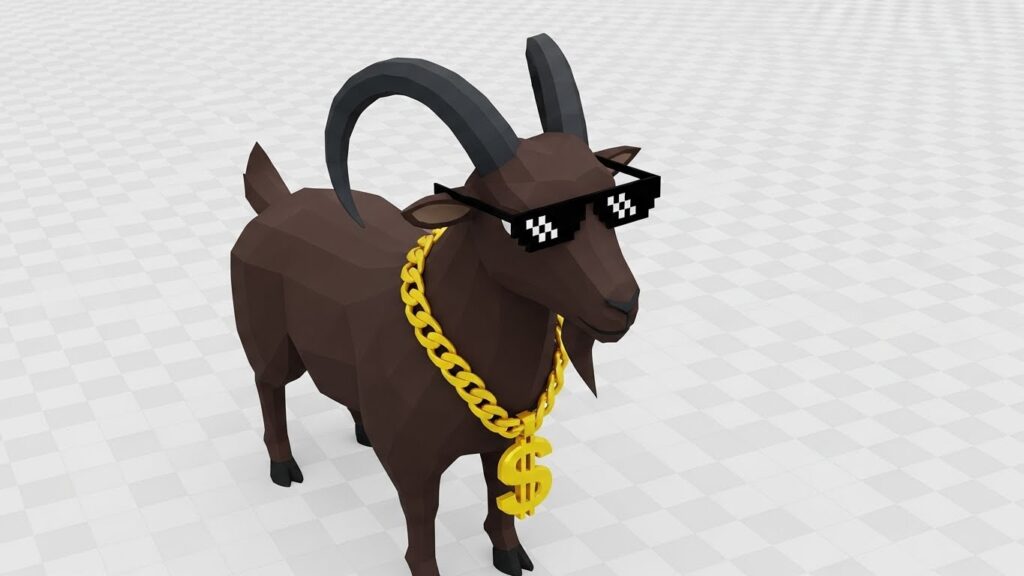
| Goat | C | Ram Attack | Knocks players away (cosmetic) | Uncommon Egg |
| Black Bunny | C | Minor Buff | Small carrot value boost | Event Egg |
| Orange Tabby | C | Size Increase | Increases fruit size | Common Egg |
| Ankylosaurus | C | Fruit Copy | Copies stolen fruits | Prehistoric Egg |
| Mircat | C | Cooldown Help | Minor cooldown reduction | Event Egg |
| Peacock | C | Visual Effects | Mainly aesthetic | Paradise Egg |
| Axolotl | C | Tropical Persist | Keeps tropical fruits after harvest | Summer Egg |
| Stegosaurus | C | Minor XP | Small XP bonus | Prehistoric Egg |
| Normal Owl | C | Basic XP | Slight XP increase | Common Egg |
| Sea Turtle | C | Mutation Chance | Very low mutation bonus | Summer Egg |

The Goat’s ram ability serves purely for entertainment; it charges random players and knocks them away without providing any farming benefits. I keep mine around because it’s hilarious to watch during multiplayer sessions, but from a pure efficiency standpoint, you’re better off equipping almost any other pet. The Goat exemplifies the difference between fun cosmetic pets and meta-defining companions.
The Orange Tabby increases fruit size in your garden, which can boost profits when combined with sprinklers and size-multiplying gear. However, the effect is modest compared to pets that directly apply valuable mutations. I’ve found the Tabby useful in hyper-specialized builds focused on growing massive individual fruits, but for general farming, you’ll see better returns from A or B-tier alternatives.
Here’s a niche use case: the Ankylosaurus can create copies of fruits stolen by other pets like the Raccoon or Kitsune. If you’re running a theft-heavy strategy, this dinosaur provides marginal additional value. However, since you’re already relying on RNG for the initial theft, adding another pet to copy those stolen goods feels inefficient compared to pets with more reliable, self-contained abilities.
(Continue with detailed analysis for remaining C-tier pets…)
| Pet Name | Tier | Key Ability | Effect | Egg Source |
|---|---|---|---|---|
| Spotted Deer | D | Berry Preservation | Keeps berries intact when harvested | Common Egg |
| Rabbit | D | Carrot Bonus | Small value bonus for carrots | Common Egg |
| Normal Chicken | D | Basic Function | Minimal farming benefit | Common Egg |
| Cat | D | Starter Pet | Very low impact | Common Egg |
| Dog | D | Basic Digging | Rarely digs anything valuable | Common Egg |
| Normal Ant | D | Tiny Effects | Negligible bonuses | Common Egg |
| Kiwi | D | Movement Cosmetic | Mostly visual | Common Egg |
| Seagull | D | No Real Benefit | Purely decorative | Summer Egg |
| Panda | D | Limited Utility | Quickly outclassed | Event Egg |

The Spotted Deer keeps berries intact when harvested, which sounds useful until you realize that berries are among the lowest-value crops in Grow a Garden. You’ll quickly move beyond berry farming as you unlock better seeds, making this pet’s entire purpose obsolete within your first few hours of gameplay. I’ve never found a situation where I wished I had this ability available.
Similar to the Spotted Deer, the Rabbit provides a small value bonus to carrots. Carrots sell for very low prices regardless of bonuses, and the percentage increase doesn’t change that fundamental problem. The Rabbit serves as a perfect example of a common egg pet that new players might initially equip but should replace as soon as anything better becomes available.
(Continue with detailed analysis for remaining D-tier pets…)
| Pet Name | Tier | Key Ability | Effect | Egg Source |
|---|---|---|---|---|
| Robin | F | Height Change | Only changes player height | Common Egg |
| Nihonzaru | F | Nerfed | Multiplier ability removed | Event Egg |
| Tomb Spirit | F | Pure Aesthetic | Floats for ambience only | Event Egg |
| Mini Phantom | F | Visual Glow | Scares critters visually | Event Egg |
| Pumpkin Imp | F | Jack-O-Lantern | Display transformation only | Event Egg |

The Robin exists in F-tier for one simple reason: its only function is changing your player character’s height. That’s it. No farming benefits, no mutations, no utility whatsoever. Unless you’re specifically collecting every pet for completion purposes, there’s absolutely no reason to use a valuable pet slot on the Robin.
The Nihonzaru is particularly unfortunate because it used to be useful before the 1.77.1 update. The developers removed its multiplier buffing ability, rendering it effectively useless. Now it takes up space without providing any meaningful benefit. This serves as a reminder that game balance changes can dramatically shift pet rankings, though the Nihonzaru’s fall from grace was especially brutal.
(Continue with detailed analysis for remaining F-tier pets…)
S-Tier Christmas Pets:
A-Tier Christmas Pets:
B-Tier Christmas Pets:
S-Tier New Year Pets:
A-Tier New Year Pets:
S-Tier Carnival:
A-Tier Carnival:
B-Tier Carnival:
C-Tier Carnival:
The Blood Moon event introduced some of the most powerful farming pets in Grow a Garden. Blood Hedgehog leads this category by boosting expensive fruits and providing mutation chances that can catapult crop values into the billions. Moon Cat reaches peak performance during these events, while Blood Kiwi offers utility through reduced egg hatching times. These event-exclusive pets often require farming Moonlit fruits to exchange for points at the event kiosk.
Top Spooky Pets:
The real mastery in Grow a Garden comes from understanding pet synergies. Here are my most effective combinations:
This combo creates a mutation cascade where the Mantis boosts your overall mutation rates, while the dinosaurs and specialty pets apply the most profitable variants. I’ve seen single plants receive 3-4 stacked mutations using this approach, resulting in sale values exceeding 10 billion Sheckles.
Perfect for players who want consistent wealth generation without constant active management. The Golden Goose produces valuable crops autonomously, the Giant Ant doubles your best harvests, and Moon Cat amplifies everything during night cycles. This setup generated an extra 5 billion Sheckles for me during a recent week of semi-AFK farming.
This advanced combination leverages other players’ gardens and multiplies your own pet effects. The Kitsune brings back enhanced stolen crops, the Swan befriends and copies your neighbors’ best pets, and the Octopus duplicates your own team’s abilities for exponential returns.
For players who want maximum harvest frequency rather than maximum individual crop value, this speed-focused trio significantly reduces the time between harvests. It works best with multi-harvest crops where you benefit repeatedly from the growth speed bonuses.
The Pet Egg Shop refreshes stock every 30 minutes, but specific eggs have different appearance rates. Bug Eggs (3% spawn rate) contain some of the best pets but are notoriously difficult to find. My strategy involves checking the shop every reset and immediately buying Bug Eggs, Mythical Eggs, or Paradise Eggs when they appear. Set a timer on your phone for 30-minute intervals if you’re serious about optimizing egg purchases.
During limited-time events like Blood Moon, Christmas, or Carnival updates, prioritize obtaining event-exclusive pets before they disappear. These pets often match or exceed the power level of standard S-tier companions. I always save at least 500 million Sheckles before events start so I can immediately purchase event eggs or exchange event currency for exclusive pets.
The trading system allows you to obtain pets you haven’t hatched, but exercise extreme caution. The game doesn’t require equivalent trades, and scammers are common. Only trade with trusted community members or friends. High-value pets like Kitsune, Corrupted Kitsune, and Dragonfly command premium prices, sometimes requiring multiple rare pets or massive Sheckle payments in return.
Join the official Grow a Garden Discord server for real-time stock notifications. Community members share when rare eggs appear in shops, giving you seconds to act before they sell out. I’ve successfully grabbed three Bug Eggs and two Paradise Eggs using Discord alerts that I would have otherwise missed completely.
Every pet has a hunger bar that must be maintained for them to gain XP and grow older. Older pets have increased weight, making their abilities more efficient with reduced cooldowns and improved passives. Feed your best pets with mutated or high-tier fruits for maximum hunger restoration. I keep a stock of Moonlit and Golden fruits specifically for feeding my S-tier pets.
Players start with 60 pet slots but can expand to 235 total through various methods: buying gamepasses, crafting Pet Pouches (costs Common Egg, Corndog, Small Treat, Small Toy, and 50M Sheckles), trading in aged pets, or purchasing space from the Garden Ascension Shop (40 Garden Coins per 10 spaces, maximum 10 purchases). Prioritize expansion once you start accumulating multiple copies of good pets.
You begin with 3 active pet slots but can obtain up to 8 total through gamepasses and trades. Always fill every available slot with your highest-tier pets. Swap pets based on your current farming focus: use mutation pets during active play sessions, switch to passive income pets before going AFK, and equip event-themed pets during special events for maximum bonuses.
Pet abilities improve as they age and gain weight. A level 1 Dragonfly applies Golden mutations less frequently than a level 50 Dragonfly. Mega Pets start with better stats at level 1, providing an immediate advantage. The Brontosaurus from Prehistoric Event increases base weight upon hatching for all eggs, while the Ostrich accelerates pet aging after hatching. Barn Owl increases weight for store-bought pets, and Mummy boosts weight for chest-obtained pets.
The Kitsune and Corrupted Kitsune are widely considered the best pets due to their ability to apply the highest-value mutations in the game (up to 90x multipliers). However, the “best” pet depends on your playstyle. Golden Goose excels for passive income, while Dragonfly offers the most consistent value generation for active farmers.
Community reports suggest Moles appear in roughly 1 out of every 20-30 standard Pet Eggs. The rate improves during events when Mole pets receive boosts or appear in themed eggs like Paradise or Summer Eggs. Your best strategy is stacking multiple eggs and using garden buffs to speed up hatch cycles.
Absolutely! Most pets are obtainable through in-game currency (Sheckles) by purchasing eggs from the Pet Egg Shop. Event pets can be earned through milestone rewards, and some pets drop from chests or special activities. Robux only provides faster access but isn’t required for obtaining top-tier pets.
Blood Pets are typically event-locked and perform best during Blood Moon events, offering aggressive boosts and dark-themed passives. Divine Pets like Moon Cat and Golden Lab are rarer but provide more consistent, long-term bonuses like passive coin generation or night-based multipliers. Both categories contain S-tier options.
Mega Pets have boosted stats, better abilities, and sometimes visual upgrades compared to their normal versions. They’re harder to obtain but provide a significant advantage in both farming and event participation. The stat improvements make Mega Pets worth pursuing for endgame players.
Bug Eggs (3% shop appearance) and Mythical Eggs consistently offer the best hatch rates for S and A-tier pets. Paradise Eggs, Divine Eggs, and Limited-Time Event Eggs also contain excellent options. During events, prioritize event-specific eggs over standard ones for exclusive high-value pets.
Trading allows you to exchange pets with other players, but the system doesn’t enforce equivalent value, creating scam risk. Only trade with trusted players. Aged or mutated pets, event exclusives, and pets no longer hatchable command premium prices. Always verify what you’re receiving before finalizing trades.
Selling pets gives you additional Sheckles based on their rarity and level. Released pets are permanently gone unless you hatch or trade for another copy. Before selling, ensure you have duplicates or confirm the pet isn’t valuable for your current strategy. I maintain at least one copy of every pet for collection purposes.
Yes! Multiple pets of the same type will stack their abilities, though with diminishing returns in some cases. For example, multiple Reindeer provide compounding XP bonuses. However, you can’t equip duplicate pets in the traditional sense; the Chinchilla and Mimic Octopus specifically duplicate or copy other pet effects.
The Pet Egg Shop refreshes every 30 minutes. Serious players check every reset, especially hunting for rare eggs like Bug Eggs (3% spawn) or Mythical Eggs. Setting phone timers helps ensure you don’t miss premium eggs. Discord communities also share alerts when rare eggs appear.
Focus on obtaining Common and Uncommon Eggs initially to build a basic pet roster. Save Sheckles for Bug Eggs or Paradise Eggs when they appear. Prioritize pets that help with resource gathering (like Raccoon or Mole) before specializing in mutation-focused pets. Join community Discord servers for codes and trading opportunities.
Yes! Pets can receive their own mutations, particularly during events or through specific mechanics like the Headless Horseman’s haunting ability. Rainbow pets exist as prismatic variants. Pet mutations are cosmetic but highly collectible. Some mutations affect pet appearance without changing their abilities.
After extensive testing and hundreds of hours invested, I can confidently say that pet selection transforms Grow a Garden from a simple farming game into a complex strategy experience. The S-tier pets I’ve highlighted provide undeniable advantages, but remember that accessibility matters. A team of well-fed A-tier pets will outperform neglected S-tier companions.
Focus on building synergistic combinations rather than chasing individual power. A Praying Mantis boosting your mutation rates while a Giant Ant duplicates your harvests creates more value than a single Kitsune that you never properly feed or level up. Event pets deserve special attention since they’re time-limited; missing a Wendigo or Ice Golem during their respective events means waiting months or trading premium resources to obtain them later.
The meta will continue evolving with each update. Bookmark this guide and check back regularly as I update rankings based on new pets, balance changes, and emerging strategies. The developers frequently add content, meaning today’s A-tier pet might become tomorrow’s S-tier dominator or vice versa.
What’s your favorite pet combination? Have you discovered synergies I haven’t covered? The Grow a Garden community thrives on shared knowledge, and I’d love to hear about your experiences in the comments. Happy farming, and may your mutations always roll in your favor!